Blown-in insulation
Loose-fill insulation blown into attics, walls, and hard-to-reach cavities where batts cannot provide consistent coverage.
Learn more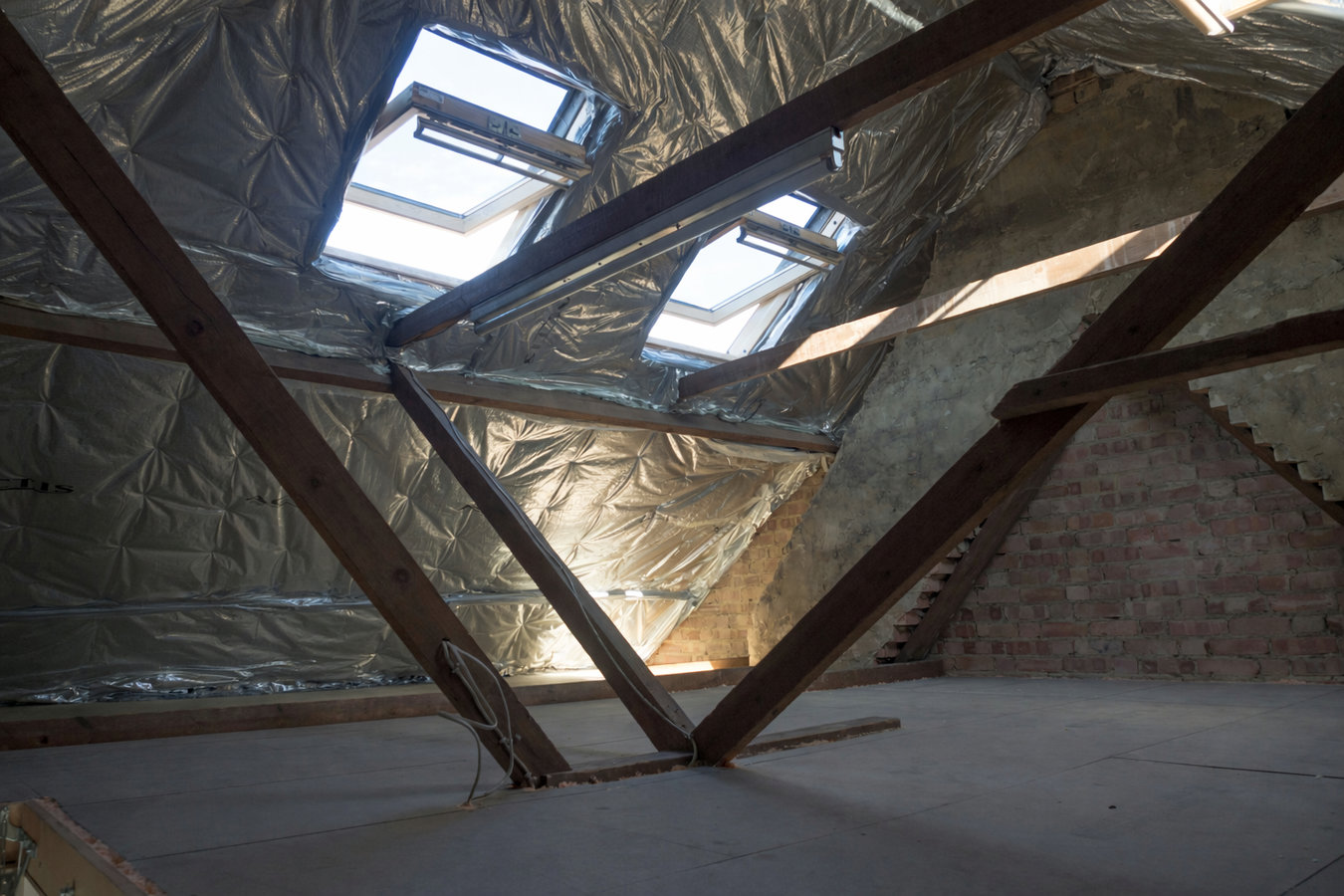
Your attic is the single biggest source of heat gain in your Las Cruces home. Proper insulation and air sealing stop that heat before it reaches your living space, so your AC works less, your bills drop, and your home actually feels comfortable all summer.
Attic insulation in Las Cruces acts as a thermal barrier between your living space and the brutal desert heat above your ceiling. Most jobs, including air sealing, are completed in a single day with minimal disruption to your home.
When summer temperatures climb past 100 degrees and stay there for months, your attic can reach temperatures well above that, sometimes exceeding 150 degrees on the hottest days. Without an effective insulation layer, that heat radiates straight through your ceiling into the rooms below. The result is an AC system that runs almost constantly just to keep up, a home that never quite reaches the thermostat setting, and electric bills that climb every July and August. Attic insulation slows that heat transfer, reducing the load on your cooling system and making the temperature inside your home far more manageable.
Air sealing is a critical first step before any new insulation is added. Gaps around light fixtures, attic hatches, and where interior walls meet the attic floor let conditioned air escape and hot air infiltrate. Sealing those bypasses before adding insulation is what separates a complete job from one that looks right but underperforms. Homeowners who want to address specific problem areas alongside their attic often consider blown-in insulation for wall cavities or other spaces that share the same energy loss problems.
If your air conditioner seems to run all day without ever getting your home to a comfortable temperature, your attic may be letting in too much heat. In Las Cruces summers, an under-insulated attic can raise the temperature in your living space by 10 degrees or more, making it nearly impossible for your cooling system to keep up. This is one of the most common complaints homeowners have before discovering their attic is inadequate.
If the rooms directly under your roof, often bedrooms at the back of the house, feel significantly warmer than the rest of your home, heat is likely coming through the ceiling from an under-insulated attic. This is especially common in Las Cruces homes with flat or low-slope roofs, which absorb intense desert sun all day long. The fix is usually straightforward once the insulation level is assessed.
If your electric bill has been climbing year over year and you have not changed your habits, your attic insulation may have settled, shifted, or degraded over time. Insulation loses effectiveness as it ages, compresses, or gets disturbed by pests, and the result shows up on your utility statement. Comparing your bills over several years can give you a rough sense of whether something is off.
If you can safely peek into your attic and the insulation looks flat, sparse, or is covered in a thick layer of desert dust, it is likely not performing well anymore. Older fiberglass batts in particular tend to compress over time and lose their effectiveness. A contractor can measure what is there and tell you how far short it falls from what is recommended for Las Cruces.
Every attic insulation job starts with air sealing. Before we add any new material, we locate and seal the bypasses that let conditioned air escape and hot air infiltrate. This step is often skipped by contractors who are in a hurry, and skipping it undermines the value of everything that goes in on top. Once the attic is sealed, we add insulation to the depth that matches what Las Cruces Climate Zone 3B requires for your home.
The most common material we use for attic upgrades is blown-in insulation, because it fills gaps and irregular spaces that batts cannot reach cleanly. Blown-in cellulose and blown-in fiberglass both perform well in Las Cruces conditions. Where an attic already has existing batts in good shape, we often blow additional material on top rather than remove what is there, which keeps costs down without sacrificing performance.
For homeowners who want to go beyond the attic floor, we also offer attic air sealing as a standalone service, which is the right choice when the primary issue is air infiltration rather than insulation depth. The two services pair naturally, and we are happy to assess your attic and recommend what combination makes the most sense for your specific home and budget.
Best for most Las Cruces attics, including irregular spaces and attics where existing material is being topped off rather than removed.
Suited for accessible attics with regular joist spacing where precise placement is straightforward and cost efficiency is the priority.
The recommended approach for most homes: seal all bypasses first, then add insulation to depth, for performance that an insulation-only job cannot match.
For attics with pest damage, mold, or insulation soaked by a past roof leak, a clean removal and fresh installation is the right starting point.
Las Cruces averages more than 300 sunny days a year. That relentless sun exposure heats your roof from the moment it rises, and an attic without adequate insulation becomes a furnace sitting directly above your home. The U.S. Department of Energy places this region in Climate Zone 3B, which calls for a higher attic insulation performance level than most of the country. Many Las Cruces homes, particularly those built before the mid-2000s, were never insulated to that standard. If your home falls in that category, it has been fighting the desert at a disadvantage every summer since it was built.
The local housing stock adds another layer of complexity. A significant portion of Las Cruces homes, including many of the older properties near Old Mesilla and the established neighborhoods around New Mexico State University, were built with adobe or stucco construction. These homes often have lower roof pitches, irregular attic spaces, and framing that does not match the standard layouts used in newer tract construction. A contractor who has only worked on newer homes may not know how to navigate those spaces without causing damage. We have insulated many of these older properties and understand what they need.
We serve homeowners throughout the greater Las Cruces area, including Alamogordo, Deming, and El Paso. The climate and the housing stock look different in each of these communities, and we bring that same local knowledge to every job.
When you reach out, we ask a few basic questions: your home's age, approximate square footage, and whether you have noticed specific comfort problems. This helps us arrive prepared with the right equipment and materials. Most customers hear back within 1 business day.
We go up into your attic and take a proper look. We check how much insulation is already there, whether it is in good shape, and where the air bypasses are. This visit takes about 20 to 30 minutes and separates a careful estimate from one that is just a number over the phone.
After the assessment you receive a written quote that explains what we found, what work is recommended, what materials will be used, and the total cost. Take your time to compare. We do not pressure anyone to book on the spot.
The crew air-seals bypasses first, then adds insulation to the recommended depth. Most jobs take three to five hours. Before leaving, we show you photos of the finished attic and provide documentation for your El Paso Electric rebate or federal tax credit application.
We will look at what is in your attic, measure what is there, and give you an honest written quote with no pressure. If your attic is already in good shape, we will tell you that too. Most customers hear back within 1 business day.
(575) 222-9399Many contractors skip air sealing because it takes more time and the homeowner cannot easily see whether it was done. We do not skip it. Sealing bypasses before adding insulation is what makes the job perform the way the materials are rated to perform. The Building Performance Institute recognizes this approach as the standard for quality home performance work.
We have worked on adobe homes, older stucco construction, flat-roof ranches, and newer subdivisions on the east mesa. The older homes in this area have quirks, and we know how to work around them without damaging the structure or leaving gaps in coverage.
El Paso Electric rebates and federal energy efficiency tax credits can reduce your out-of-pocket cost, but they require the work to be documented correctly from the start. We know what each program needs and make sure you leave with everything required to file your claim.
We never quote a number without seeing your attic. We measure what is there, tell you what we found, and explain exactly what we recommend and why. If your attic is in better shape than you thought, we will tell you that too. Exaggerating a problem to sell a larger job is not how we operate.
Las Cruces homeowners have been choosing us because we treat the assessment as seriously as the installation. A job that starts with an honest look at what is actually needed produces better results and a happier customer than one that just adds material without understanding the full picture.
Loose-fill insulation blown into attics, walls, and hard-to-reach cavities where batts cannot provide consistent coverage.
Learn moreDedicated air sealing of attic bypasses, hatches, and fixtures to stop conditioned air from escaping before insulation is added or upgraded.
Learn moreCall today or get a free estimate online. We will assess your attic, explain exactly what we recommend, and give you a written quote with no pressure.