Spray foam insulation
Seals gaps and cavities with an expanding foam that stops air infiltration and boosts energy efficiency.
Learn more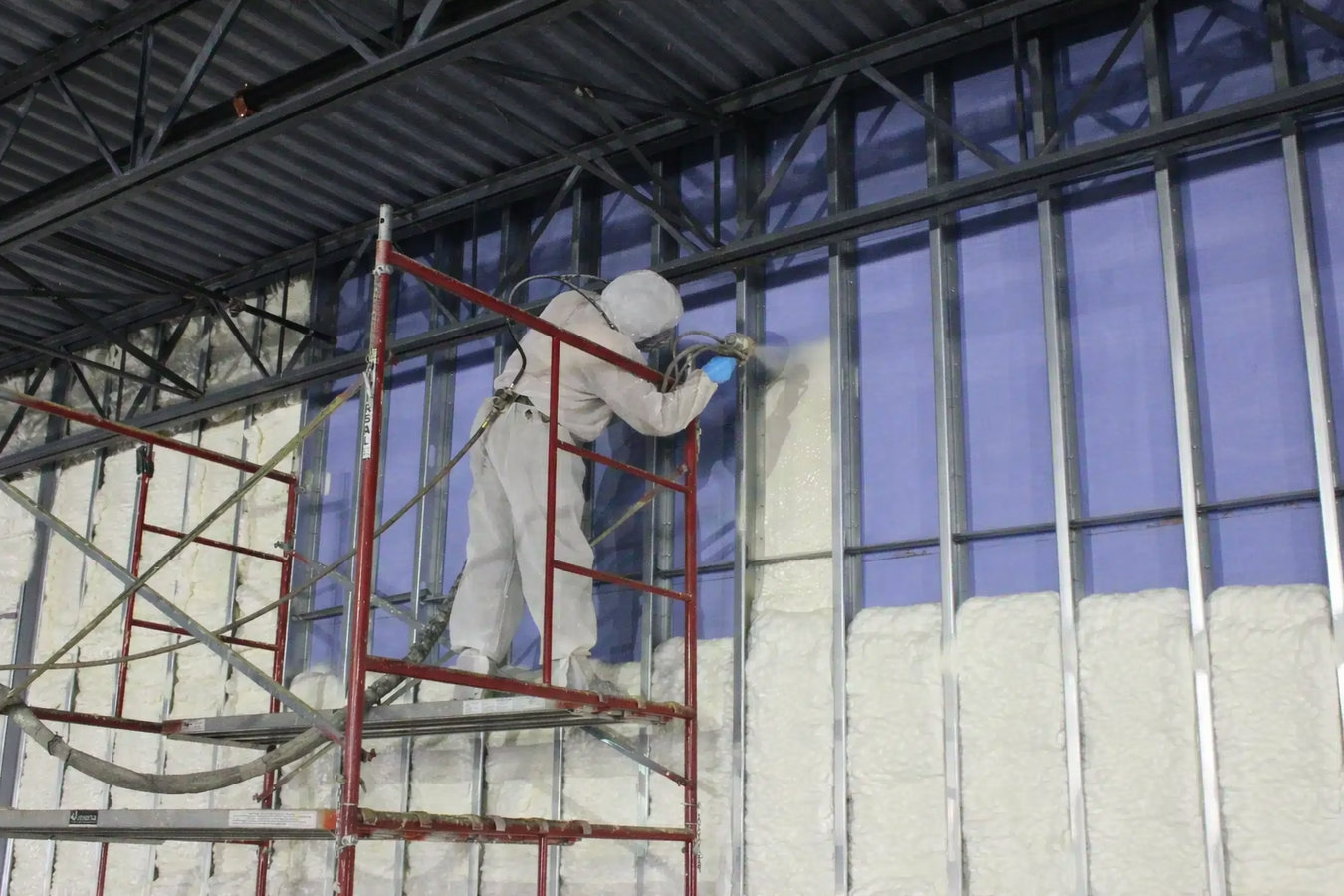
Las Cruces Insulation is a local New Mexico insulation contractor serving Hobbs, NM with commercial insulation, spray foam, and attic insulation for homes and businesses throughout Lea County. We work on the brick ranch homes, flat-roofed commercial buildings, and oil-industry property stock common here and reply to new requests within one business day.
Hobbs has a substantial commercial property base tied to Lea County oil and gas activity, including warehouses, retail spaces, and light industrial buildings, many of them built in the 1960s and 1970s with little or no insulation in the roof assembly. Flat and low-slope roofs absorb intense summer heat and push it into the space below, driving HVAC costs through the peak season. Our commercial insulation service addresses these specific building types using materials and methods suited to the Permian Basin climate.
The core neighborhoods of Hobbs are filled with brick ranch homes built in the 1950s and 1960s that were not insulated to today's standards. In a climate where summer temperatures regularly exceed 95 to 100 degrees and the sun beats down on low-pitched roofs with almost no shade, under-insulated attics are the primary driver of high cooling bills. Bringing attic insulation up to the level recommended for this climate zone is the single highest-return upgrade available to most Hobbs homeowners.
Hobbs sits on flat, open high plains with no natural windbreak, which means sustained winds of 20 to 30 mph push dust and outside air into gaps around windows, doors, and utility penetrations constantly. Spray foam addresses both the thermal and air infiltration problems at once, sealing gaps as it insulates. For older Hobbs commercial buildings with irregular framing or hard-to-reach cavities, spray foam is often the most effective option for delivering consistent coverage.
The persistent wind in Hobbs drives air through gaps that would be negligible in a calmer climate. Blowing dust and grit also work their way into attic spaces over time, degrading older insulation and reducing its effectiveness. Air sealing the attic floor, top plates, and penetrations before adding any new insulation is how the job delivers the energy savings it promises, rather than adding material on top of open leaks.
Blown-in loose-fill is the most practical method for upgrading the attics in Hobbs's older brick ranch homes without disturbing ceilings or living spaces. It fills irregular framing cavities evenly and can be added directly on top of original insulation that is still in acceptable condition. For homeowners and property managers in Hobbs who want a cost-effective upgrade with minimal disruption, blown-in attic insulation is typically the fastest way to see results on a cooling bill.
Hobbs sits at roughly 3,600 feet on the flat, open Permian Basin high plains just miles from the Texas state line. Summers are long, hot, and relentless, with temperatures that regularly climb past 95 to 100 degrees and intense UV radiation that degrades roofing materials, exterior caulk, and paint faster than in most of New Mexico. The open terrain provides no windbreak, so sustained winds of 20 to 30 mph are common, driving fine desert dust and outside air into every gap in a building's envelope. Afternoon hailstorms in July and August add another layer of wear to roofs and siding each season. The combination creates an environment where insulation does more work and wears out faster than in calmer climates.
The housing stock compounds the challenge. The bulk of Hobbs's residential neighborhoods, particularly the core areas around Harry McAdams Park and the older commercial districts near downtown, consist of mid-century construction from the 1950s through the 1980s. Brick ranch homes were the standard build of this era, practical against wind and dust but rarely insulated to modern standards. Many of these homes still have their original attic insulation, if they have any at all, which means they are operating at a thermal deficit every summer. Newer subdivisions on the north and west sides of town have stucco exteriors and somewhat better insulation, but the city's older core is where the need is most consistent.
Commercial properties in Hobbs face their own specific conditions. Lea County is one of the top oil-producing counties in the United States, and the commercial buildings that support that industry, including warehouses, service yards, and light industrial facilities, often have flat or low-slope roofs that absorb enormous heat loads throughout the day. Many of these buildings were constructed before modern energy codes were in place and have never had their insulation upgraded. When oil prices rise and activity increases, so does pressure on HVAC systems that are already working in a difficult climate, making insulation upgrades a practical operational decision for property owners.
The crew regularly encounters the same challenge across Hobbs properties: mid-century brick ranch homes where the original attic insulation has been sitting undisturbed since the house was built, often well below what this climate demands. Hobbs commercial and industrial jobs come with their own specific condition, flat-roofed buildings where the roof deck is the primary heat pathway and the standard residential approach simply does not apply. Our crews know how the requirements for commercial insulation work differ from residential jobs and plan each project accordingly.
Hobbs is the regional hub of southeastern New Mexico. The main commercial corridors run along Lovington Highway and North Turner Street, and the city serves as the commercial center for Lea County and the surrounding communities. The Lea County Regional Airport connects the area to larger hubs and reinforces Hobbs's role as a service base for the wider Permian Basin oil patch, which shapes the mix of residential and commercial property owners looking for reliable contractors. Jobs in Hobbs have a different character than jobs in mountain towns, the conditions are extreme but predictable, and the building stock is consistent enough that the crew knows what to expect before arriving.
Homeowners in Hobbs considering an upgrade can also look at nearby areas we serve, including Las Cruces, NM, where the Chihuahuan Desert conditions share similarities with eastern New Mexico, and Roswell, NM, the closest comparable mid-size southeastern NM city we work in regularly.
We respond to all Hobbs inquiries within one business day. When you reach out, we ask a few basic questions about your property type, what you have noticed, and which areas need attention so the crew arrives prepared.
A contractor visits your Hobbs home or building to see exactly what is in place. This is where cost anxiety gets resolved: we look at what is already there, what needs to come out, and what a realistic upgrade looks like, then we explain the finding in plain terms before quoting anything.
You receive a written estimate breaking down materials, scope, and total cost. Once approved, we schedule the work and give you a prep checklist, typically clearing access to attic hatches or mechanical rooms so installation day runs without delays.
Most Hobbs residential jobs finish in one day; commercial projects typically run one to three days. When the work is done, we walk you through what was installed and where, and we hand over any documentation you need for permits, utility rebates, or building records.
We serve homes and commercial buildings throughout Hobbs and Lea County. No pressure, no surprise charges. One business day response.
(575) 222-9399Hobbs is the county seat of Lea County and one of the larger cities in southeastern New Mexico, with roughly 40,000 residents. The city sits right on the state line with Texas, just a few miles from Lovington and about 110 miles from Lubbock. Its economy runs on oil and gas, and the Permian Basin production that drives Lea County makes Hobbs one of the more economically active cities in the region, with cycles of growth and contraction tied to commodity prices. Long-term residents and rotating oil field workers create a mixed housing market of owner-occupied homes and rentals spread across the city. More information about the city's history and layout is available on the Wikipedia article for Hobbs, New Mexico.
The residential character of Hobbs is defined by its mid-century core. The neighborhoods around Harry McAdams Park and the Western Heritage Museum and Lea County Cowboy Hall of Fame reflect the original growth era of the city, with single-story brick ranch homes on flat lots, open yards, and attached garages. Newer subdivisions on the north and west sides of town, where stucco construction and tile roofs appear more often, represent the growth phases of the 2000s and 2010s oil booms. Both housing types face the same conditions: persistent wind, blowing dust, wide temperature swings, and roughly 12 to 14 inches of rainfall per year, all of which create steady demand for insulation, weatherproofing, and building envelope maintenance.
We serve homeowners and property managers throughout Hobbs and also work in nearby communities, including Roswell, NM, the other major southeastern New Mexico city in our service area, which shares many of the same building stock characteristics and climate conditions as Hobbs.
Seals gaps and cavities with an expanding foam that stops air infiltration and boosts energy efficiency.
Learn moreKeeps conditioned air inside by adding a proper thermal barrier above your living space.
Learn moreLoose-fill material blown into attics and walls to fill every corner without major demolition.
Learn moreWhole-home assessments and installations that reduce energy bills and improve indoor comfort.
Learn moreSafe extraction of old, damaged, or contaminated insulation before new material is installed.
Learn moreInsulates the floor system above the crawl space to prevent moisture and heat loss from below.
Learn moreFills interior and exterior wall cavities to cut heat transfer through the building envelope.
Learn moreLocates and seals leaks around penetrations, joints, and edges to stop unwanted airflow.
Learn moreInsulates basement walls and rim joists to eliminate cold floors and reduce heating costs.
Learn moreHigh-density spray foam that provides superior R-value and acts as a moisture barrier.
Learn moreLightweight, flexible foam ideal for interior walls and attics where sound control matters.
Learn moreTargets the attic floor plane to block stack-effect airflow before insulation is added.
Learn moreHeavy-duty liner installed on crawl space floors to block ground moisture from entering the home.
Learn moreInstalls poly sheeting or rigid barriers that control moisture migration in walls and floors.
Learn moreUpgrades existing insulation in older homes without full wall or ceiling removal.
Learn moreInsulation solutions for office buildings, warehouses, and light commercial construction.
Learn moreLea County's brick homes and commercial buildings work against you every summer. Call today and find out exactly what your property needs.