Attic insulation
Blown-in and batt attic insulation to hit the performance levels Las Cruces climate zone requires, with air sealing done first.
Learn more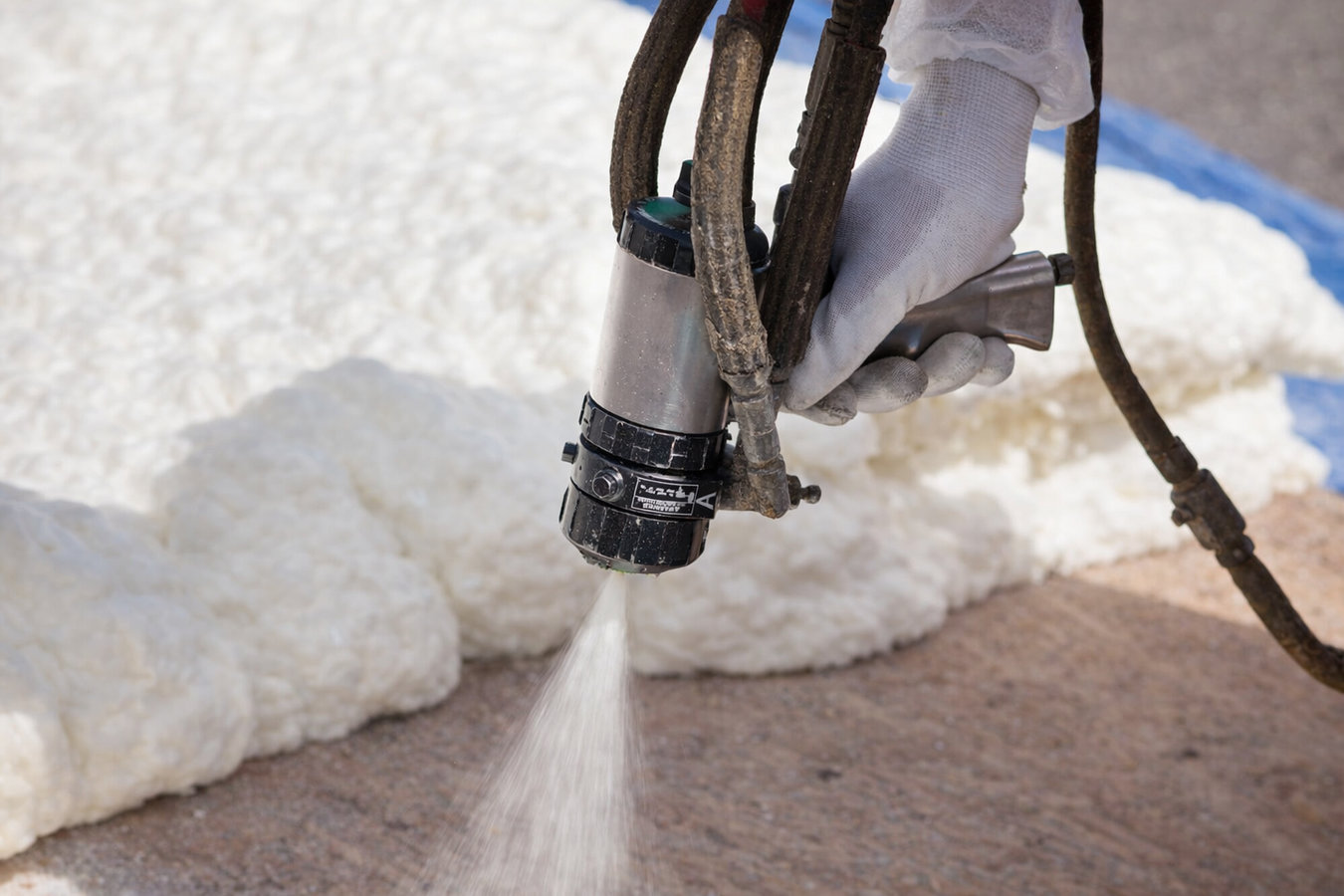
Your home is losing cool air every hour your AC runs. Spray foam seals every gap and crack, cuts heat transfer through your attic and walls, and gives your cooling system a fighting chance against the Chihuahuan Desert summer.
Spray foam insulation in Las Cruces expands on contact to fill every gap, crack, and cavity it touches, creating a continuous air and thermal barrier in one step. Most residential jobs, including a full attic, are completed in one to two days.
If your home is fighting to stay cool from June through September, the problem is usually not your air conditioner. It is the gaps in your building envelope that let desert heat pour in faster than any cooling system can keep up with. Unlike fiberglass batts, spray foam bonds directly to the surfaces it touches, so there are no seams or edges where air can slip through. Homeowners in Las Cruces often find that the combination of air sealing and insulation makes a bigger difference than insulation alone.
Many homes in the area also benefit from pairing spray foam with attic insulation to address the attic floor separately from the roof deck, depending on whether the space is conditioned or vented. A quick walkthrough by a contractor will tell you which approach makes sense for your home.
If your cooling costs climb sharply from June through September and your AC seems to run nonstop, your home may not be holding the cool air you are paying for. In Las Cruces, where summer temperatures routinely top 100 degrees, a poorly insulated attic acts like a heat collector that overwhelms your system. That is one of the clearest signs that your insulation is not doing its job.
Las Cruces experiences frequent wind events and dust storms, especially in spring. If you find a layer of fine dust on surfaces inside your home after a windy day, even with windows closed, air is finding its way in through gaps in your walls, attic, or around fixtures. Spray foam seals those entry points and can make a noticeable difference in how much dust gets inside.
If one room is always stuffy in summer or drafty in winter no matter how you adjust the thermostat, that room likely has an insulation gap or air leak nearby. This is especially common in older Las Cruces homes with irregular attic spaces or additions that were not insulated to the same standard as the original structure. A contractor can pinpoint the problem area during a walkthrough.
If you can safely peek into your attic and see bare wood joists, or insulation that has been flattened over the years, you are not getting the protection you should be. Older fiberglass batts lose effectiveness when they compress, and gaps between batts let heat pour straight through. In a desert climate, a compromised attic is one of the fastest ways to lose the battle against summer heat.
We apply spray foam in attics, walls, crawl spaces, rim joists, and any other area where air leakage and heat gain are problems. For attics, we choose between encapsulating the roof deck or insulating the attic floor depending on whether the space is conditioned or vented. Either way, the goal is a continuous sealed layer with no gaps, thin spots, or areas where the foam has pulled away from the surface.
The most common choice for Las Cruces attics is closed-cell foam insulation because of its higher R-value per inch and its resistance to heat transfer in an intense desert climate. Closed-cell foam is also rigid enough to add a small amount of structural support to the surfaces it covers, which matters in older adobe and stucco homes where the framing may have shifted over the years. Open-cell foam is a practical alternative for interior walls and spaces where moisture control is less of a concern.
For homes where the primary goal is comfort rather than full encapsulation, we can target the specific areas that are causing the most heat gain, such as a poorly sealed attic hatch, an uninsulated rim joist, or a wall cavity that was left empty during original construction. Partial applications like these are often more cost-effective than a full-house project and can still produce a noticeable improvement in how the home feels and how much energy it uses.
Best for attics, exterior walls, and any space exposed to intense desert heat, where maximum R-value per inch and moisture resistance matter most.
Suited for interior walls, ceilings, and spaces where sound dampening is a priority alongside thermal performance at a lower material cost.
Ideal for homeowners who want to bring the attic into the conditioned envelope of the home, especially when HVAC equipment is located in the attic space.
A targeted application for homes where the biggest air leaks are at the foundation level, particularly common in older Las Cruces construction.
Las Cruces sits in the Chihuahuan Desert and sees summer temperatures above 100 degrees for months at a time. That heat radiates through your roof and into your attic, and without an effective thermal and air barrier, it pushes straight into your living space. The combination of intense solar radiation and relentless heat makes this one of the most demanding climates in the country for residential insulation. Spray foam addresses both heat transfer and air infiltration in a single application, which is why it is often the most effective option for homes here.
A significant share of the housing stock in Las Cruces, including many homes near Old Mesilla and in older neighborhoods closer to downtown, was built with adobe, stucco, or masonry construction before modern insulation standards existed. These homes often have irregular wall cavities and attic spaces that are difficult to treat with batts or loose-fill material. Spray foam adheres directly to whatever surface it touches, making it well suited for the irregular geometry of older desert homes. We work regularly in these types of properties and know how to apply foam without damaging existing structure.
We serve homeowners across the Las Cruces area, including Anthony, Sunland Park, and El Paso. Wherever your home is in this region, the climate challenges are the same, and the right insulation approach makes a real difference in how comfortable and affordable your home is to live in.
When you reach out, we ask a few basic questions about your home: its size, which areas you want insulated, and whether you have noticed specific problems like high energy bills or dust infiltration. This helps us arrive prepared. Most customers hear back within 1 business day.
We walk through your home, look at the areas you want treated, and note any access challenges. You get a written estimate that explains the type of foam we recommend and why. There is no obligation to book, and we will not pressure you to decide on the spot.
Before the crew arrives, clear the work areas of stored items. Plan to be out of the home for the day of installation and at least 24 hours afterward, including pets. We will tell you exactly what to expect so there are no surprises on the day.
The crew sets up protective coverings, sprays the foam in sections, and works methodically for even coverage. Before leaving, we walk you through the completed work, answer questions, and provide documentation you can use for utility rebate or tax credit applications.
We will walk through your home, explain exactly what we recommend and why, and give you a written quote with no pressure and no obligation. Most customers hear back within 1 business day.
(575) 222-9399We put the scope, foam type, and coverage in writing and document the finished job. That means if a question ever comes up, you have a clear record of exactly what was installed, and you are not left relying on a handshake.
We have worked on adobe, stucco, and older masonry homes throughout the Las Cruces area. These homes have quirks that newer tract construction does not, and we know how to apply foam in tight or irregular spaces without damaging the structure around it.
El Paso Electric rebates and federal energy efficiency tax credits can offset a real portion of your project cost, but only if the work is documented correctly from the start. We know the process and make sure you walk away with what you need to claim what you are owed.
We never start work based on a phone quote. Every project gets a written estimate that specifies the foam type, the areas covered, and the total cost. You know exactly what you are agreeing to before a single drop of foam is applied.
Every one of these points matters more in a market like Las Cruces, where the work happens out of sight inside your attic or walls, and where a careless contractor can create problems that are expensive to fix. We built this business to be the kind of contractor we would want to hire ourselves - the same standard any reputable spray insulation company should hold itself to.
Blown-in and batt attic insulation to hit the performance levels Las Cruces climate zone requires, with air sealing done first.
Learn moreThe dense, high-R-value foam type best suited for exterior walls and attics in hot, dry desert conditions.
Learn moreInstallation slots fill up fast once temperatures start climbing. Call today or request a free estimate online and get your home ready before the heat arrives.