
Spray foam insulation
Seals gaps and cavities with an expanding foam that stops air infiltration and boosts energy efficiency.
Learn more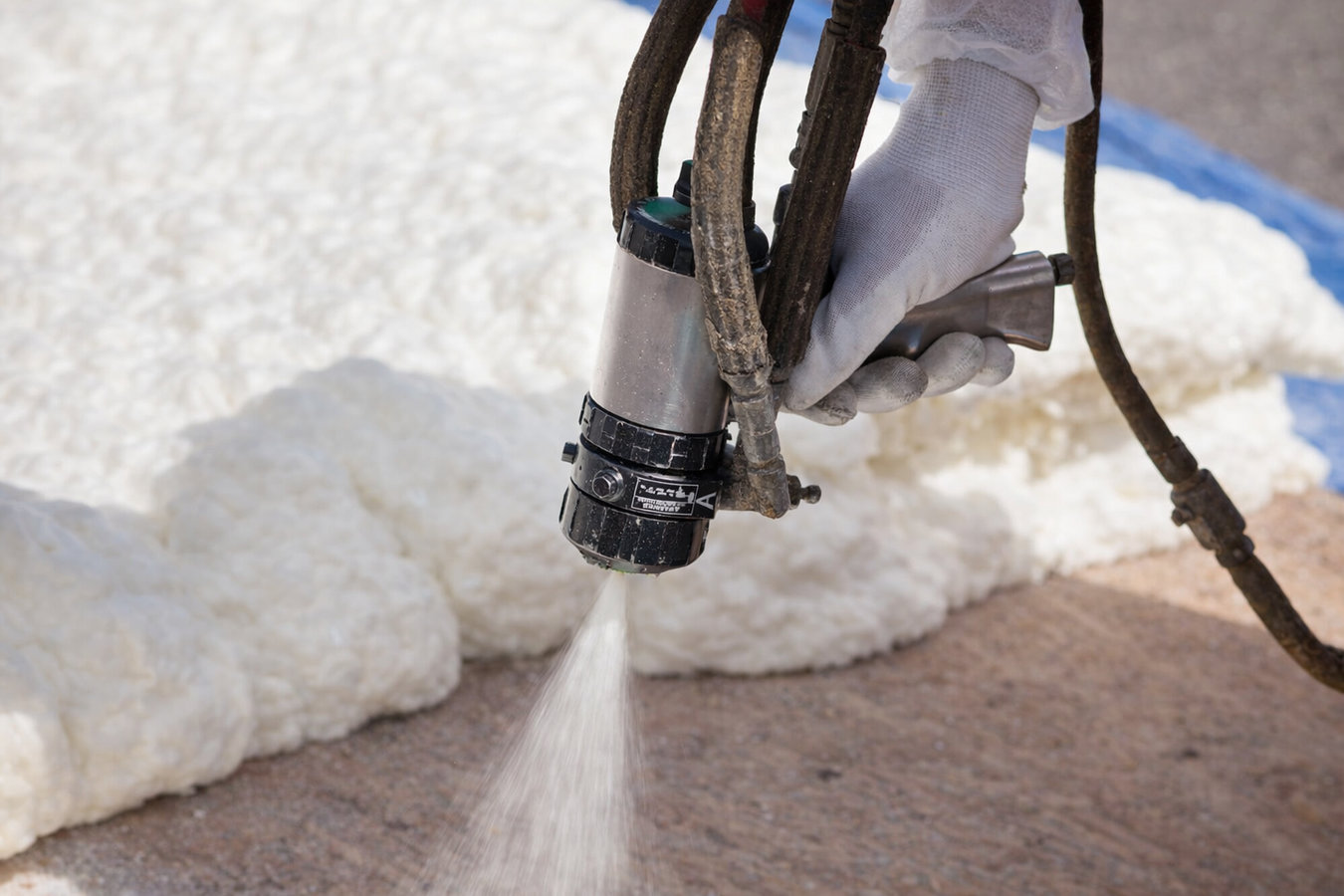
Las Cruces Insulation serves El Paso, TX homeowners with spray foam insulation, attic insulation, and air sealing services. We work across all of El Paso's neighborhoods - from older stucco homes near Downtown to newer ranch-style construction on the East Side - and have been operating in the Chihuahuan Desert region since 2022. We respond to all inquiries within one business day.
El Paso's spring dust storms drive fine particulate through gaps you cannot see, and the same gaps let your air-conditioned air escape during the six-month cooling season. Our spray foam insulation service expands to fill every crack and penetration it touches, sealing air leaks and adding thermal resistance at the same time. It is the most effective single upgrade available for the older stucco homes common throughout El Paso, where settling over caliche soil has opened small gaps at joints and transitions over the years.
El Paso averages more than 300 sunny days per year and sits at 3,700 feet above sea level, which intensifies UV exposure on every roof in the city. Single-story ranch homes - the most common housing type here - have a relatively small attic buffer between that hot roof and the rooms below. Upgrading attic insulation is usually the fastest path to a noticeably lower summer electric bill and more consistent room temperatures across the house.
Closed-cell spray foam provides the highest R-value per inch of any insulation product and acts as a moisture barrier, which matters when monsoon season brings sudden heavy rain to an aging flat or low-slope roof. For El Paso homes where the attic is tight, the roof is flat, or the wall cavities are irregular, closed-cell foam is often the only product that can achieve meaningful thermal performance without tearing out finished surfaces.
El Paso's spring haboobs push fine grit through gaps around windows, outlets, attic penetrations, and where exterior walls meet the ceiling. Air sealing those points before or alongside insulation work directly reduces both dust infiltration inside your home and the air conditioning load your system carries all summer. Older homes near Sunset Heights and the Lower Valley - many of them early-to-mid-century adobe construction - often have more of these gaps than newer builds.
Blown-in loose-fill is a practical, lower-disruption option for El Paso homeowners who want to bring their attic up to a proper level without major work. The material fills around existing ductwork, fixtures, and framing members that batt insulation tends to bridge over. It installs quickly and can be added on top of existing material in most cases, keeping the project timeline short.
Many of El Paso's postwar ranch homes were built with little or no insulation in the exterior wall cavities, relying on stucco mass and the desert's dry air to handle what insulation should be doing. Filling those cavities reduces the heat gain through south- and west-facing walls during the long afternoon heat and improves how evenly the house holds temperature through the day-to-night temperature swings common in this region.
El Paso's climate is one of the most demanding in the United States for residential buildings. Summer highs exceed 95 degrees from June through August, with many days topping 100 degrees. At an elevation of 3,700 feet, the UV index is consistently higher than most of the country, which accelerates the degradation of roofing materials, exterior caulk, and stucco coatings. Homes here need insulation and air sealing that can perform under this level of sustained solar stress, not products designed for milder climates.
El Paso's housing stock adds a layer of complexity. A large share of homes in the city were built during the postwar boom and continued growth through the 1980s, which puts them squarely in the age range where original insulation has settled, compressed, or was simply installed to the lower standards of that era. Caliche soil - the hard, calcium-rich layer common under El Paso properties - does not absorb water easily and causes homes to settle in ways that open small gaps at wall joints and around penetrations over time.
Monsoon season, which typically runs from late June through September, brings a different kind of threat. Intense, fast-moving rainstorms can drop a large amount of water in a short window, and El Paso's hard, dry ground does not absorb it quickly. Homes with flat or low-slope roofs, aging sealants around penetrations, or gaps in the building envelope can take on moisture during these events. Addressing those openings through air sealing and properly installed insulation reduces the risk before the storms arrive. The National Weather Service monsoon overview for the El Paso region gives a useful picture of what the season typically brings.
We cross the state line to serve El Paso homeowners regularly, and we pull permits through the City of El Paso Planning and Inspections Department when a project requires it. We are familiar with how El Paso's building department processes permit applications for insulation work and what inspectors look for when reviewing completed jobs.
El Paso is a city of genuinely distinct neighborhoods. The adobe and brick homes in older areas like Sunset Heights and Kern Place near Downtown, the mid-century ranch homes spreading across the West Side toward the Franklin Mountains, the newer East Side subdivisions that pushed out through the 1990s and 2000s - each area has its own building stock and its own pattern of insulation challenges. We have worked in all of these areas and know what each type of construction typically requires.
El Paso also sits directly adjacent to our home service area. Homeowners in border communities have easy access to our team, including residents of Chaparral, NM, which sits northeast of El Paso along the state line. That proximity means we can often schedule El Paso assessments with minimal lead time.
We respond to every inquiry within one business day. A short initial conversation covers your home's age, the areas you want addressed, and what you have been experiencing. This helps us arrive at the assessment with the right equipment and materials in mind.
We inspect your attic, check current insulation levels, and look for air leaks around fixtures and penetrations. The visit takes 30 to 60 minutes and is typically free. You receive a written estimate before any work is scheduled, so you know exactly what you are agreeing to and have something to compare if you are getting multiple bids.
Most attic insulation projects in El Paso are completed in a single day with no need to vacate your home. Spray foam work requires you to stay out of the treated area for at least 24 hours after application. We set up protective coverings over surfaces near the work area and clean up before we leave.
Before we leave, we walk you through what was done and show you the finished work. If the project required a permit through the City of El Paso, we handle the inspection scheduling and follow-up. You do not need to manage that process yourself.
Local insulation contractor operating in El Paso, TX and the surrounding Chihuahuan Desert region. Free on-site estimates. Responses within one business day.
(575) 222-9399El Paso is the largest city in far West Texas, with a population of around 678,000, and it sits at the western tip of the state where the Rio Grande bends and the Franklin Mountains cut through the middle of the city. About 60% of occupied homes in El Paso are owner-occupied, which makes home maintenance a priority for most residents. The city is also home to Fort Bliss, one of the largest Army installations in the country, which brings a steady mix of long-term homeowners and military families to neighborhoods throughout the area.
El Paso's neighborhoods reflect its long history and its growth across different eras. The historic areas near Downtown - including Sunset Heights and Kern Place - contain some of the oldest housing stock in the city, with adobe, brick, and early-1900s construction that carries its own set of insulation challenges. The West Side, East Side, and Upper Valley each have a different character and a different mix of home ages and building types. The Franklin Mountains State Park - the largest urban state park in the United States - defines the western skyline and backs up against some of the city's most recognizable residential neighborhoods.
El Paso shares a climate and a building culture with the communities just across the New Mexico state line. Homeowners in border-area neighborhoods will find that our team has direct familiarity with the region's construction patterns. We also serve Sunland Park, NM, which sits on El Paso's western edge and shares many of the same housing types and climate demands as the El Paso West Side.
Seals gaps and cavities with an expanding foam that stops air infiltration and boosts energy efficiency.
Learn moreKeeps conditioned air inside by adding a proper thermal barrier above your living space.
Learn moreLoose-fill material blown into attics and walls to fill every corner without major demolition.
Learn moreWhole-home assessments and installations that reduce energy bills and improve indoor comfort.
Learn moreSafe extraction of old, damaged, or contaminated insulation before new material is installed.
Learn moreInsulates the floor system above the crawl space to prevent moisture and heat loss from below.
Learn moreFills interior and exterior wall cavities to cut heat transfer through the building envelope.
Learn moreLocates and seals leaks around penetrations, joints, and edges to stop unwanted airflow.
Learn moreInsulates basement walls and rim joists to eliminate cold floors and reduce heating costs.
Learn moreHigh-density spray foam that provides superior R-value and acts as a moisture barrier.
Learn moreLightweight, flexible foam ideal for interior walls and attics where sound control matters.
Learn moreTargets the attic floor plane to block stack-effect airflow before insulation is added.
Learn moreHeavy-duty liner installed on crawl space floors to block ground moisture from entering the home.
Learn moreInstalls poly sheeting or rigid barriers that control moisture migration in walls and floors.
Learn moreUpgrades existing insulation in older homes without full wall or ceiling removal.
Learn moreInsulation solutions for office buildings, warehouses, and light commercial construction.
Learn moreCall Las Cruces Insulation for a free on-site estimate. We know this climate, we know this housing stock, and we can tell you exactly where your home is losing the battle.